This post contains affiliate links, meaning that if you click on a link and
purchase an item, we may receive an affiliate commission. This is at no extra cost to you, but it goes a long way to help to support this blog.
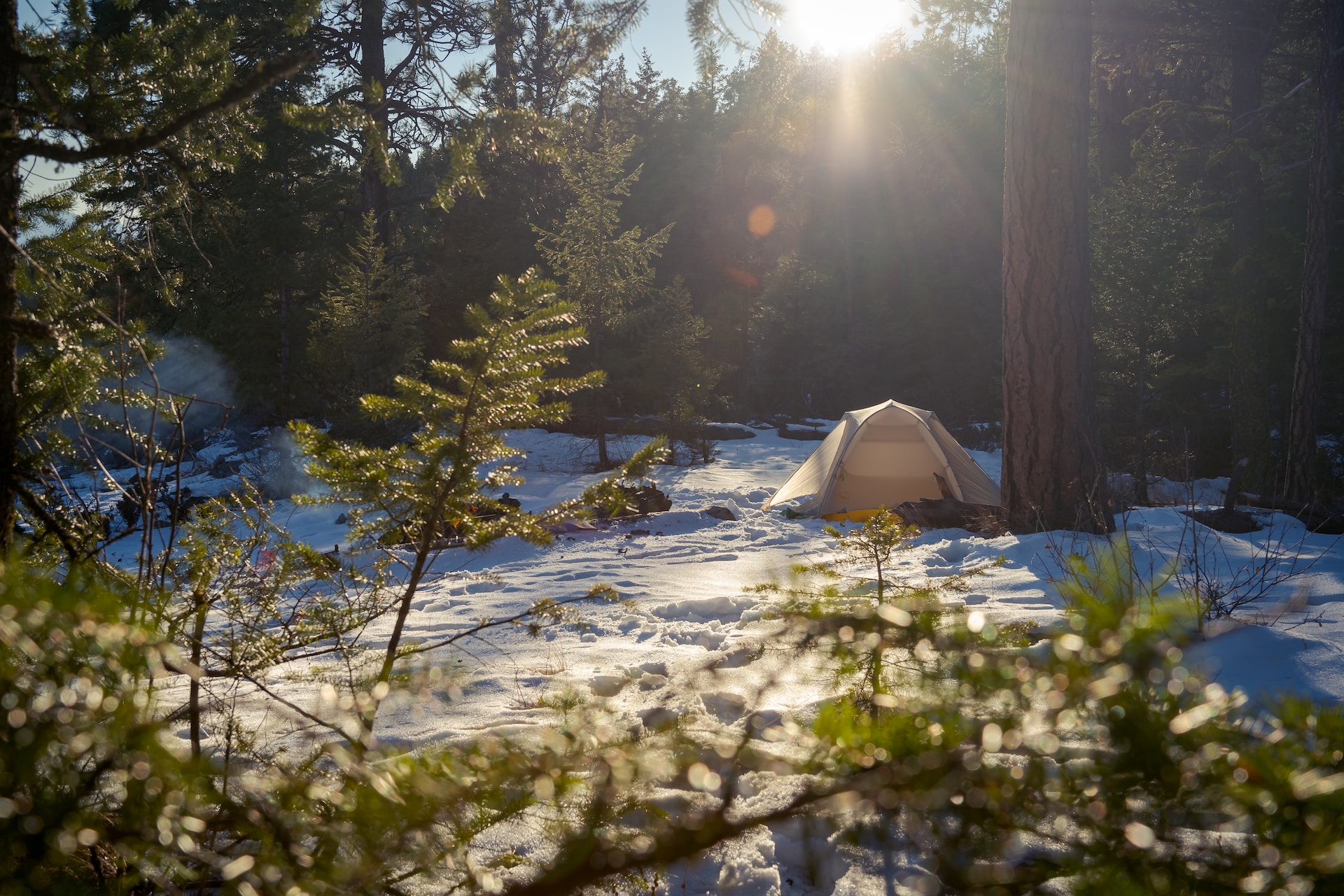
If you’re heading out for your first cold-weather trip, it’s important to learn the right ways to stay warm when winter camping. With the right layers and a good sleep setup, you can stay warm, comfortable, and actually enjoy the snow instead of shivering through it.
Here’s what we’ll cover:
- What to wear so you stay warm without overheating
- How to set up a cozy sleep system
- Simple tips for keeping heat in and cold out
Understand layering
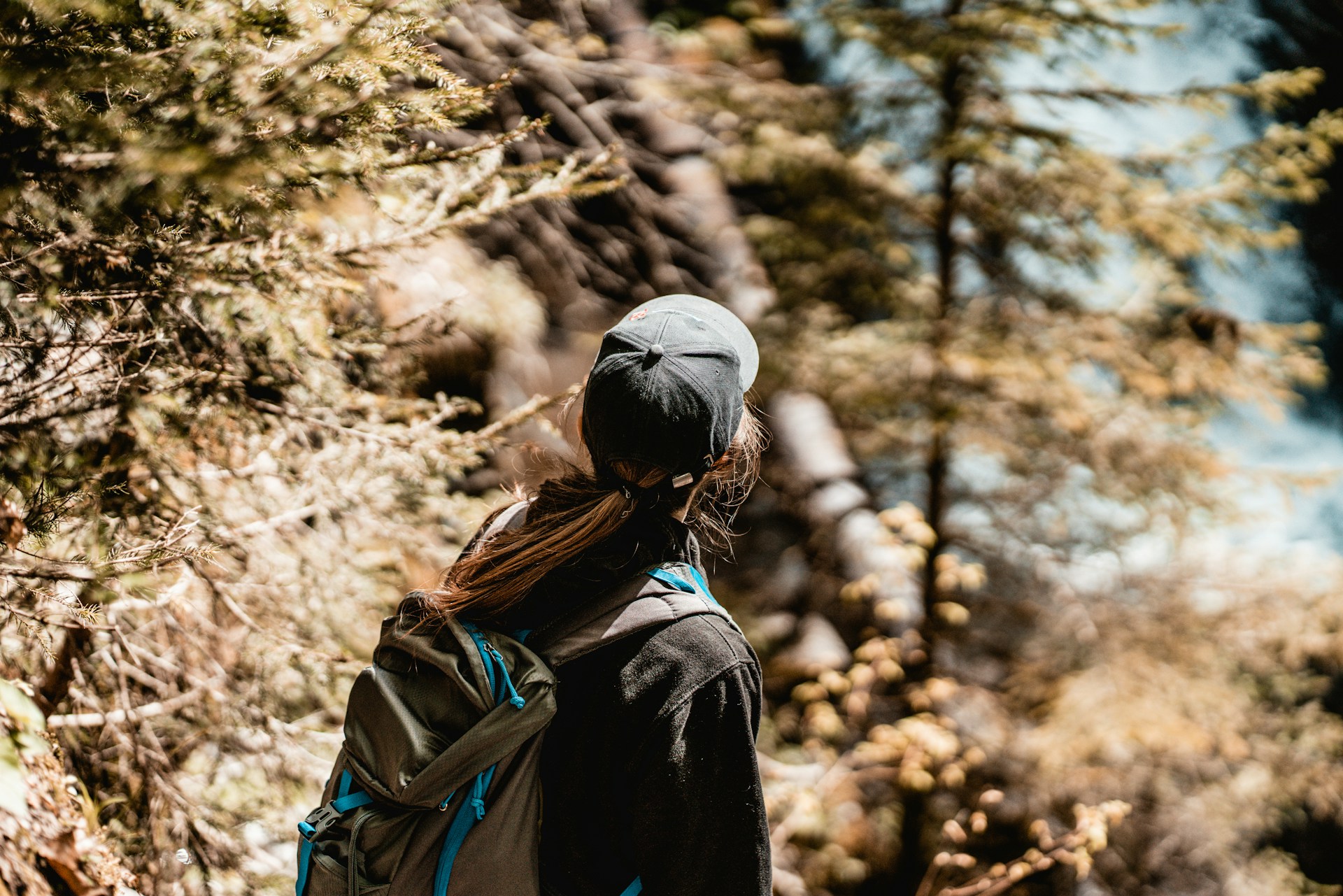
Layering sounds complicated, but it’s really just about wearing the right things in the right order. You want clothes that keep you warm, breathe well, and don’t stay wet. Winter on the Pacific coast can feel damp, so staying dry matters more than anything.
Three key layers to keep you comfortable
Base layer:
This is what touches your skin. Its job is to pull sweat away so you don’t feel clammy once you stop moving. Merino wool or synthetic long underwear works great. Skip cotton—it soaks up moisture and won’t dry if it gets wet.
Mid layer:
This is your warmth. Fleece, down, or synthetic insulation all work well. I personally use fleece when it’s really wet, and save down for drier days.
Outer layer:
Your outer layer, your shell, protects you from the elements. This keeps out wind, rain, and snow. Look for something waterproof and breathable. Anything that keeps coastal wind off you is worth its weight.
Quick tip:
You will sweat when you’re hiking, even in the cold. Unzip or remove layers early to avoid getting soggy inside your jacket. Damp clothes = cold later.
How to sleep warm in the winter
Winter camping takes a bit of planning, but once you dial in your system, it’s honestly pretty cozy.
Your sleeping bag
Pick a sleeping bag rated colder than what you expect. Down is lighter and warmer, but synthetic holds up better in damp West Coast conditions. A mummy shape keeps heat close to your body, and the hood makes a big difference on cold nights.
Your sleeping pad
Your sleeping pad is your underrated hero. The cold ground will steal your heat fast. Look for a pad with an R-value of 4 or higher, or stack two pads together for better warmth—foam on the bottom, inflatable on top.
Tips for staying warm at night
- Hot water bottle trick: Fill a bottle with hot water and tuck it into your bag. I usually keep it near my feet or my core, depending on where I feel the most chill.
- Use dry gear: Change into dry long underwear before bed and keep your sleeping bag packed away during the day. Your gear can absorb moisture from sitting out in your tent all day, so pack it away each morning to keep it all dry.
- Try a bag liner: It adds warmth to your sleeping bag without making you sweaty.
- Utilize extra insulation: Tuck your puffy jacket around cold spots or drape it over the top of your sleeping bag for extra warmth.
Cozy up by the campfire
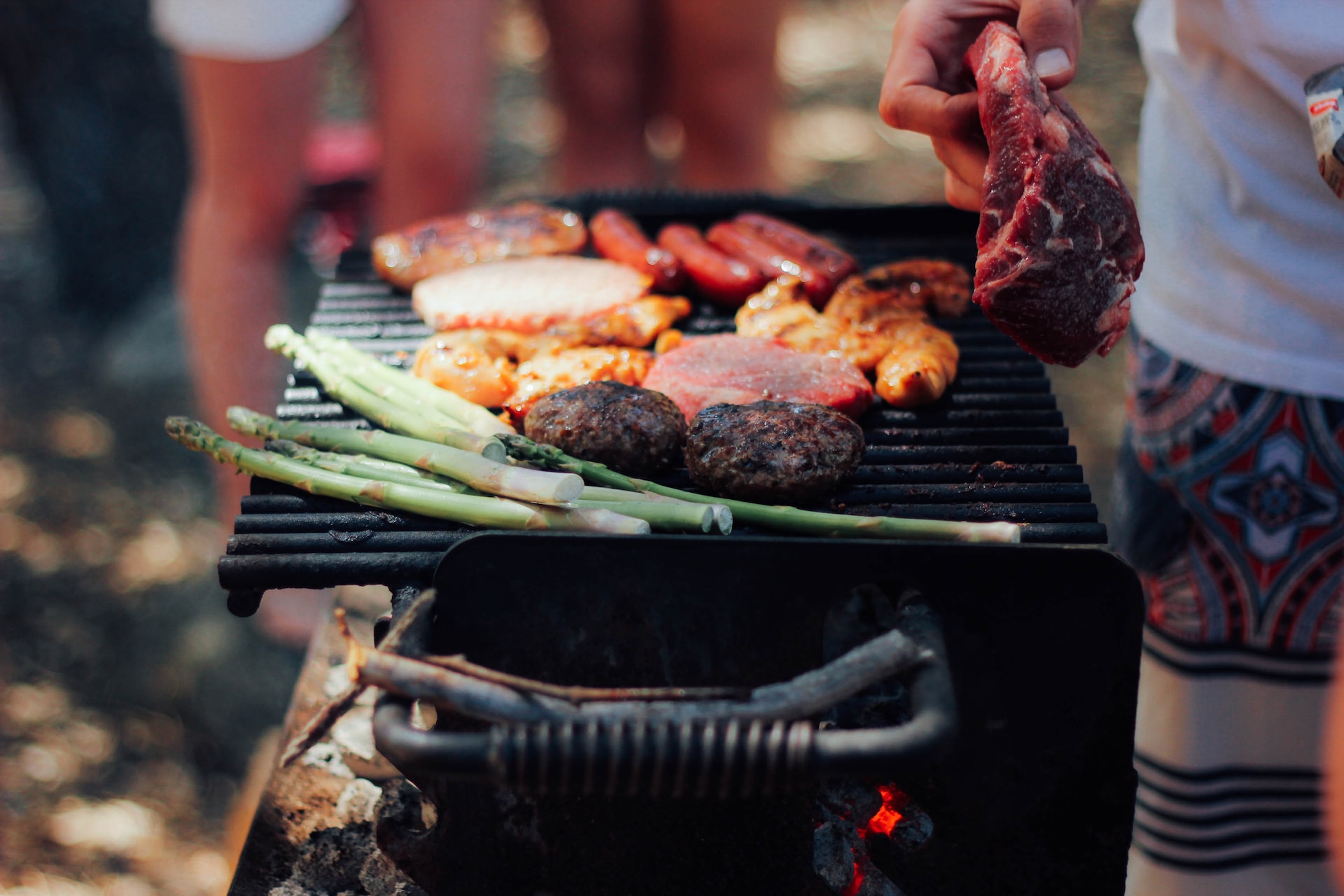
A fire is great for warming up, drying gear, and cooking, but don’t count on it for overnight warmth.
Getting a fire going in winter
- Pick dry wood if you can
- Build a little platform of sticks so the fire isn’t sitting on snow
- Bring plenty of fire starters, everything is damp in the Pacific Northwest
Be fire smart
- Sit close enough to warm up, but not so close that you melt your jacket or your shoes. I learnt that the hard way
- Rotate to warm all sides
- Dry gloves or socks near the heat, not on top of it
Food, snacks, and staying hydrated
Your body burns way more calories in the cold. Eating enough can help keep you warmer.
What to eat
Quick, warm, and hearty foods are best. Think oatmeal, noodles, stews, anything simple. Snacks like nuts, jerky, and bars are handy because they’re easy to eat even when you’re tired. A high-fat evening meal helps your body stay warmer overnight.
Hot drinks
Tea, broth, or even just hot water make a huge difference. A thermos is your best friend.
Bedtime snacks
A quick bite (like peanut butter or trail mix) before bed gives your body fuel to burn while you sleep.
Hydration
It’s easy to skip water when it’s cold. Try not to. Keep your bottle in your sleeping bag so it doesn’t freeze.
Staying warm during adventures
When you’re out adventuring, your number one priority is to stay safe and keep yourself warm.
Regulate before you sweat
Take off a layer before you start a steep climb. It feels weird, but it works.
Keep extremities warm
Your hands, feet, and head lose heat fast. Bring extra dry socks and gloves. Swap them as soon as they get damp. And always wear something to keep your head warm, like a toque.
Hand warmers
Hand and toe warmers are small but, honestly, can save a day when temperatures drop.
What to do if you get too cold
It happens. The main thing is to catch it early. If you notice any of these, warm yourself up right away.
- Shivering
- Feeling “off” or foggy
- Numb fingers or toes
- Pale or waxy skin in extreme cold
Warm up safely
- Add dry layers
- Sip hot drinks
- Eat something high-calorie
- Use hand warmers around your core
- If someone’s really cold, wrap up together in a sleeping bag for shared warmth
Leave your ego at home
One thing I learned in backcountry first-aid training is that people often stay cold for far longer than they should. We don’t want to slow the group down, or look weak, or admit we misjudged a layer. But staying quiet only makes you colder, and it’s way harder to warm back up once you’ve waited too long.
If you’re cold, say something right away. It doesn’t make you a burden. It just means you’re paying attention to your body.
Here’s what I tell beginners (and honestly, myself):
- If you feel cold creeping in, stop and add a layer
- Swap out wet gloves or socks as often as you need to
- Tell your hiking partner that you need a minute to warm up
- Don’t push through shivers—they’re an early warning sign
Nobody on the trail is keeping score. Staying warm keeps you safe, clear-headed, and able to make good decisions. You’ll enjoy the trip more when you’re comfortable, and your group will appreciate that you spoke up before things got serious.
It’s better to take 30 seconds to stop and throw on an extra layer than to spend the rest of the day fighting off a deep chill.
Key takeaways
Here’s what matters most:
- Layer smart and manage sweat
- Build a strong sleep system
- Eat enough and drink warm things
- Keep your hands, feet, and head dry
- Act fast if you get chilled
Winter camping can feel intimidating, but once you get the basics down, it’s surprisingly peaceful. And honestly? Waking up to fresh snow in the PNW is pretty special when you’re warm and comfortable.