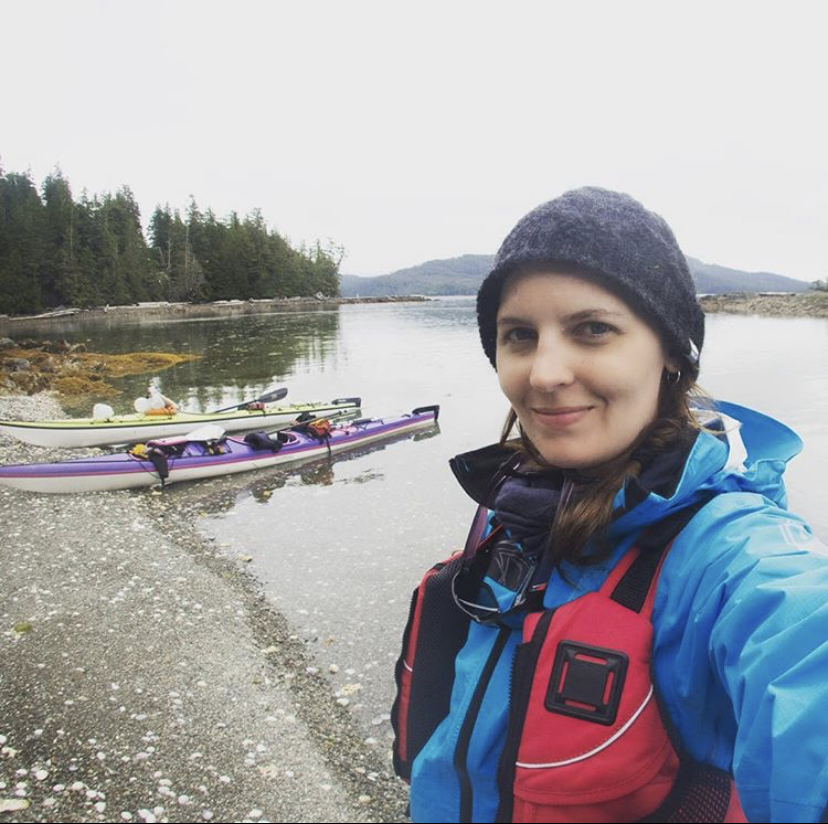
Solo hiking can feel intimidating — especially if you're new to the outdoors. This guide is here to help you start small, stay safe, and enjoy solo hiking without pressure or perfection. You don’t need fancy gear, deep wilderness experience, or expert skills. Just curiosity, preparation, and a bit of encouragement.
In this article, we'll discuss:
- How to build solo hiking confidence step by step
- What gear and safety prep you actually need (without overpacking)
- BC-specific tips for terrain, ferries, and weather
Let’s start with why hiking alone is actually worth trying — even if it feels scary right now.
Why solo hiking is so powerful
There’s something about hiking alone that just feels different. No small talk. No one else setting the pace. Just your own rhythm, your own thoughts, and the trail in front of you. It’s quieter. Slower. And more grounded than most things we do in daily life.
You start to notice small things. A bird you wouldn’t have heard. The feel of the wind shifting. The way your body settles into the walk. When no one else is around, you don’t have to perform or explain anything. You just get to be there.
It’s not always perfect. Sometimes it’s muddy, uncomfortable, or awkward. But that’s part of it too. You figure out what you’re capable of, step by step, hike by hike. And that quiet kind of confidence sticks with you. Solo hiking doesn’t need to be dramatic or deep. But it can still shift something, in small and steady ways.
Choosing the right trail for your first few solo hikes
Start with easy trails. The goal isn’t to prove anything, it’s to get comfortable. Pick a trail that’s well-marked, familiar, and not too far from home. Around southern Vancouver Island, great beginner options include Thetis Lake, Mount Douglas, and John Dean Park. These spots are beautiful, not too remote, and have regular foot traffic, which is helpful when you’re just starting out.
Aim for trails that are under 6km with less than 250m of elevation. Loop trails are great because you don’t have to retrace your steps. Out-and-back is fine too, turn around if it stops feeling fun.
A few other things to check before you go:
- Check cell service; most beginner-friendly trails have some coverage, but not all.
- Trail apps like AllTrails or Google Maps can help you preview the route.
- Look up parking and hours; some parks close gates early or have limited spots.
- Keep an eye on the weather, West Coast trails change fast in the rain — muddy hills, slippery roots, or high tides can sneak up on you.
Basic safety tips
You don’t need to carry a full emergency kit or memorize survival skills to hike safely. You just need a few habits that are simple enough to do every time. The most important one: tell someone where you're going. Text a friend your trail name, when you're starting, and when you expect to be back. Let them know when you’re done.
You can also use the BC AdventureSmart Trip Plan tool if you want to log your plan in more detail. It only takes a few minutes, and it’s built for exactly this reason, letting someone know where you are, in case anything happens.
Gear you actually need
You don’t need high-end gear to start hiking solo. You just need a few basics that help you feel prepared and comfortable.
The ten essentials
There’s a list called the “Ten Essentials” that lots of hikers use to stay safe. For short solo hikes near home, you can keep it simple. The point is to be prepared in a way that’s actually doable.
Here’s how the Ten Essentials translate into a beginner-friendly daypack:
- Navigation – Trail app (like AllTrails), offline map, or printed screenshot
- Headlamp – Or any small flashlight, just in case you’re out later than planned
- Sun protection – Hat, sunglasses, and sunscreen
- First aid – A small kit with Band-Aids, painkillers, and blister care
- Knife or multitool – Handy but optional on short hikes
- Fire – A lighter or waterproof matches (you probably won’t need them, but it's good to have)
- Shelter – Emergency blanket or small tarp if you get stuck (they’re cheap and light)
- Extra food – A couple of snacks, like a granola bar or trail mix
- Extra water – At least 1L, more if it’s hot
- Extra clothes – Packable rain jacket, something to keep you warm and maybe dry socks
This all fits in a small backpack. You might already own most of it.
The more you hike, the more you’ll figure out what works for you. Some people love hiking poles or sit pads. Others don’t use them. There’s no “right” way to do it — just a safe, smart way that feels manageable.
Read more: What Are the Ten Essentials for Hiking?
What to wear
Footwear matters most. For most trails around the Pacific Northwest, trail runners or light hiking shoes are enough. If it’s muddy or steep, boots with ankle support can help. Try walking a few trails in both and see what feels better.
West Coast rain can sneak up on you, even on the nicest days. Bring a rain layer. A cheap packable shell works fine at first. A dry bag or ziplock can keep your phone dry if you get caught in a downpour.
Wear layers you can move in. Think leggings or hiking pants, a T-shirt or long sleeve, and a fleece or light pullover if it’s cool out. Avoid cotton if you can; it stays wet and gets cold fast. You don’t need fancy “hiking clothes,” just pieces that are breathable, light, and comfortable when damp.
How to build confidence over time
Confidence doesn’t show up all at once. It builds slowly, usually in quiet moments when no one’s watching.
The best way to grow that confidence is by repeating trails you already know. There’s something powerful about walking a familiar route alone, noticing how much more relaxed you feel the second or third time. You can focus less on “doing it right” and more on how your body feels, what you hear, and where your comfort zone is expanding.
Another tip: make a habit of reflecting after each hike. It can be as simple as a quick journal note, a voice memo on your phone, or a photo with a caption. It helps you remember what went well, what surprised you, and what you’d do differently next time.
If something feels awkward or uncomfortable, that’s okay. It doesn’t mean you’re doing it wrong. Maybe the trail was too busy, or too quiet, or the weather turned halfway. That’s part of the learning. You’ll know more next time because of it.
Celebrate your progress. Even short solo hikes are a big deal when you're new to it. And every one you complete is proof that you can do this.
Read more: Why Outdoor Adventure Is for Everyone
BC-specific tips
The coastal trails around Vancouver Island and the Gulf Islands are beautiful, but they can be unpredictable. Knowing what’s normal for this area helps you feel more prepared and less surprised out there.
Wet, muddy trails are part of life here. Even if it hasn’t rained in days, shaded forest paths can stay damp and slippery. Watch for mossy rocks, slick wooden steps, and roots that turn into mini slides. Take your time and test your footing, especially on the way down.
Wildlife is around, but actual encounters are rare — especially on busy trails. That said, it’s smart to know what to do:
- Black bears are common. Make noise as you hike, and don’t surprise them. If you see one, stay calm and back away slowly.
- Cougars are more elusive. If you encounter one, stand tall, stay loud, and don’t run.
- Seals, otters, and eagles might show up too, and enjoy from a distance.
It helps to think of wildlife awareness as part of being respectful, not fearful. You’re sharing space. And most of the time, they’ll hear or see you first.
Read more: Wildlife Safety Tips for Adventuring Outdoors
Key takeaways
Solo hiking doesn’t have to be intimidating. When you start small, stay prepared, and learn as you go, it becomes peaceful, doable, and even fun.
In this post, we covered:
- How to build solo hiking confidence step by step
- What gear and safety prep you actually need (without overpacking)
- BC-specific tips for terrain, ferries, and wildlife
If you're still not sure where to go next, the best step might be finding your first solo-friendly trail. Start with ones that are well-marked, close to home, and easy to follow.
Read more: Your Guide to Hiking Vancouver Island